


Contents
Placer mining is a method for separating heavy minerals from sand or gravel. When mining placers (deposits of gold, diamonds, or other minerals) you rely on gravity to concentrate the minerals you are searching for. Depending on the scale of the mining operation, one uses different tools and techniques to extract the minerals. We’ll delve into all of these in this article.
What is placer mining?
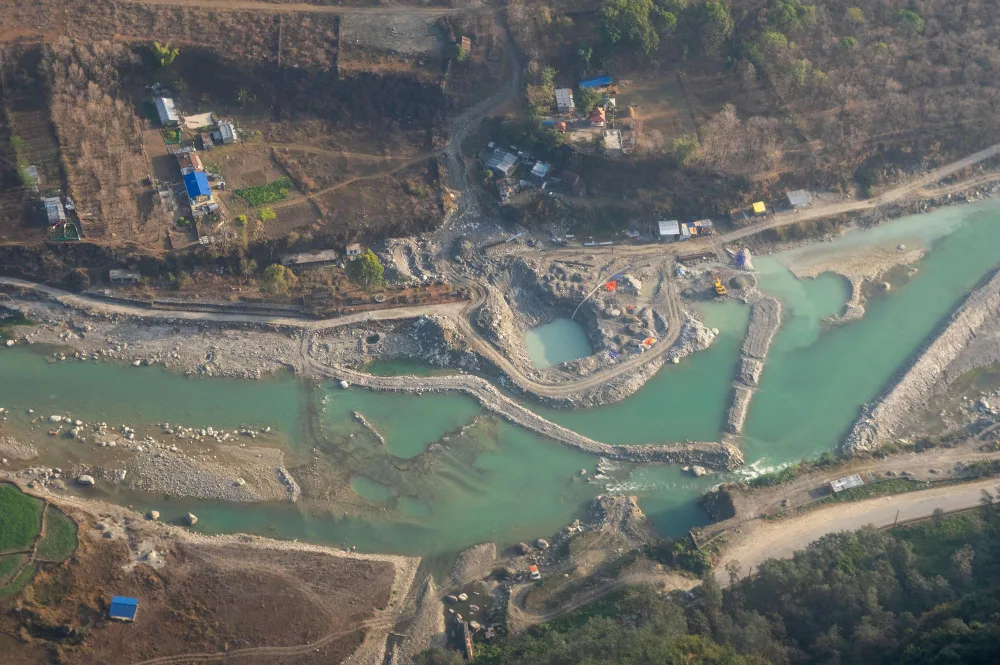
Placer mining is a specific mining method that extracts minerals from so-called placer deposits on the surface of riverbeds or seafloor. It is a common method for extracting valuable minerals like gold and diamonds from gravity-separated deposits found in riverbeds, floodplains, beaches, and glacial sediments.
Placer mining is one of many mining methods
There are two primary methods of extracting ore through mining: Surface mining and underground mining. Placer mining belongs in the former category. Surface mining is employed when the ore is close to the surface. Common techniques include:
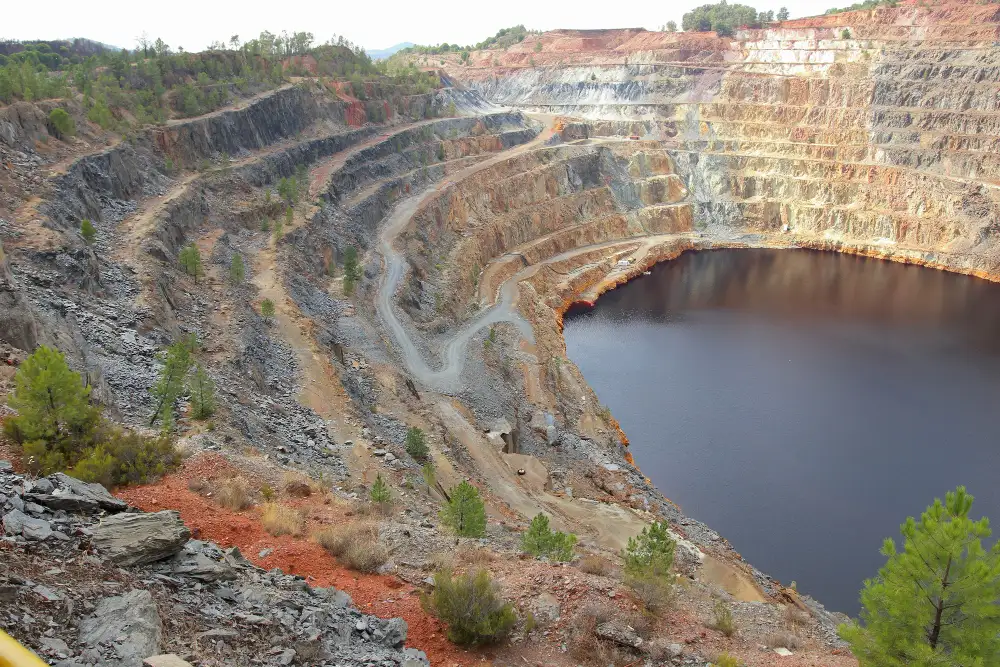
- Open-pit mining: A large hole is dug in the ground to extract ore layer by layer.
- Strip mining: Overburden is removed in strips to access the ore below.
- Placer mining: Involves sifting through river sediments for minerals.
How does placer mining work?
Placer mining as a method relies on water to separate heavy minerals (i.e., gold and diamonds) from lighter sand and gravel. As water and wind break down rock, they will carry with them any valuable minerals that formed with it. Over time, these might end up being carried into a stream, a river, or the ocean, where gravity will help separate the minerals, leading to a high accumulation in a rather small area. This is what we call placers, or deposits where higher-density and valuable minerals can be found, usually in sand or gravel.
Mining of placer deposits
The deposits themselves are unconsolidated, making them easier to mine, as opposed to those in solid rock that might require underground or open pit mines. As such, placer mining is the oldest form of mining and still an important method of gathering resources to this day. Gold, diamonds, and gemstones are the most common minerals mined from placers, and have been ever since humans have placed value on them.
Why do we mine placers?
Placer mining remains attractive when valuable minerals are concentrated naturally and can be accessed with minimal excavation. Key considerations include:
Deposit characteristics
- Surface or near-surface location makes placer deposits easy to reach with limited rock removal.
- High-density minerals, like gold, platinum, cassiterite, or gemstones, will settle in predictable patterns, enabling efficient recovery with less surveying and exploration than other types of deposits require.
- Alluvial geometry often produces broad, laterally extensive deposits ideal for continuous mining.
Environmental and land use factors
- Placer mining typically requires smaller permanent infrastructure compared to hard rock mining, which usually transforms large parts of the natural landscape.
- Projects near sensitive terrain can minimize disturbance by working only where alluvial sediments naturally occur.
Economic considerations
- Lower capital investment relative to underground or open-pit mines.
- Rapid development cycles allow miners to test, expand, or relocate operations efficiently.
- Suitable for both industrial-scale mining and small, individual prospectors.
A historical overview of placer mining
Ancient times
Placer mining predates recorded history, and it is probably the oldest form of mining for gold. The first (and quickest) way was by sifting through river sands and gravels, looking for nuggets and grains. Many ancient civilizations practiced this, as gold was always valued as a precious metal. Ancient Egyptians and Nubians were among the first documented placer miners, while Indigenous Peoples in the Americas perfected panning and sluicing.
Middle ages
During the Middle Ages, placer gold sustained trade networks across Central Asia, Siberia, and West Africa. However, it was the major gold rushes of the 19th century, to places such as California, Victoria, Yukon, and Alaska, that brought placer mining to prominence. Even today, it would be difficult to find a person who hasn’t seen images of clips of the gold prospectors, which were a common presence in movies set in the Old West.
Modern times
By the 20th century, mechanization revolutionized the field. Bucket-line dredges, draglines, and floating wash plants enabled the mass processing of river gravels at unprecedented scales. Today, modern placer mines employ excavators, high capacity trommel screens, centrifugal concentrators, and sophisticated water recycling systems.
Documentaries and live reality TV shows, such as Discovery Channel’s Gold Rush, have brought placer mining back into public view and depict a significantly different way of mining than what the Ancient Egyptians employed. But despite this modernization, panning and hand methods remain iconic, especially in small-scale or hobby prospecting.
Limitations to placer mining
While placer mining is relatively simple compared to underground methods, it presents challenges that require careful management.
Variable and depleting deposits
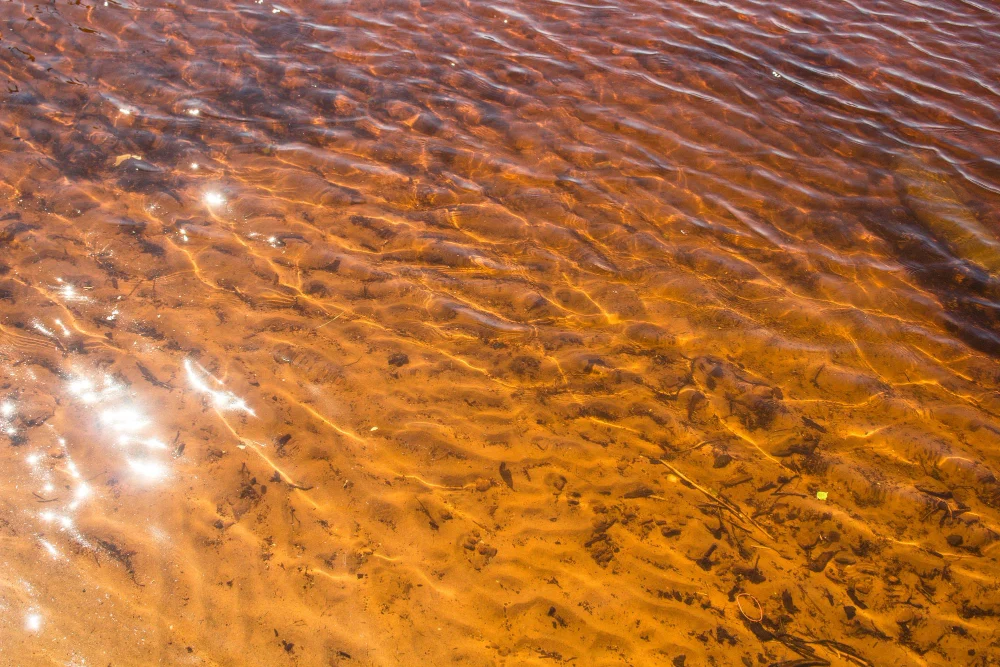
Placer deposits are influenced by seasonal flows and historical river systems, which means that pay streaks can be inconsistent. High mobility of sediment also means deposits can be thin or discontinuous.
Limited depth potential
Economic recovery is generally restricted to shallow gravels. Deep or buried paleo-channels require expensive stripping or dredging systems, minimizing one of the key advantages of placer mining.
Regulatory constraints
Water rights, environmental permits, and land access rules significantly affect feasibility. Historic mining regions may have legacy contamination requiring remediation planning.
Mercury and artisanal mining risks
In some regions, artisanal mining still uses mercury for gold amalgamation, posing serious health and environmental hazards. Modern practices emphasize mercury-free methods, but implementation remains uneven globally.
Environmental considerations to take into account
Water usage
Large volumes of water are needed for sluicing and washing.
Sediment discharge
Poorly managed operations can increase turbidity, affecting aquatic ecosystems.
Wetland and riparian impact
Rivers and floodplains are dynamic, vulnerable environments that can be easily disturbed.
The future of placer mining
Placer mining continues to play an important role in the global mineral supply, particularly for gold and rare placer commodities like platinum-group metals and high-value gemstones. As surface deposits diminish, operators increasingly rely on better mapping tools, such as LIDAR, drone imaging, and ground-penetrating radar, to locate buried channels and assess gravel continuity.
Technological innovations are reshaping the field
Many innovations are impacting how placer mining is operated today. For example, efficient gravity concentrators improve fine-gold recovery while minimizing chemical use. This is an important factor to minimizing the potentially harmful environmental effects of placer mining. In addition, closed-loop water systems reduce consumption and environmental impact, and modular, low-emission equipment supports operations in remote or sensitive regions.
Sustainable initiatives
Environmental, Social, and Governance (ESG) standards are becoming key to placer mining approvals. Restoration commitments, community engagement, and ecological monitoring are now essential for long-term project viability.
In a world increasingly focused on sustainability, responsible placer mining offers a comparatively low-impact method for accessing valuable minerals. Its long history, adaptability, and reliance on natural processes suggest it will remain a significant part of the mining industry’s future, especially for small- to mid-scale operations seeking flexible, environmentally conscious extraction methods.
Mining with advanced directional drilling technology
Aziwell is a leading provider of directional drilling solutions and offers the AZIDRILL, which is engineered for precision and performance, and the Navigator software. At the core of our directional drilling offer is our advanced drill technology that does not require special rods or rigs and has no depth limitations. It helps to reduce the environmental footprint of mining operations through fewer drill pads, operational time, and CO₂ emissions.

